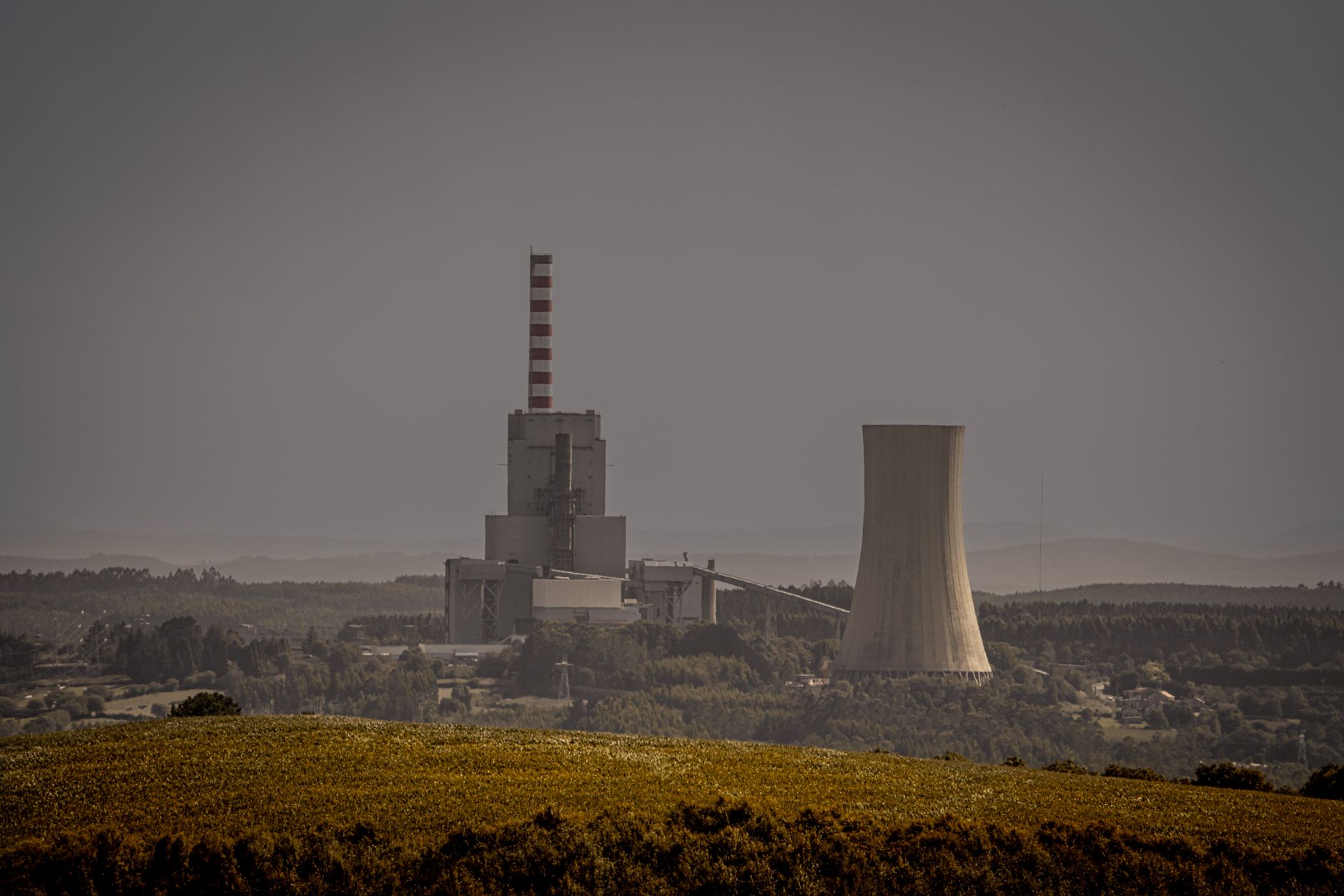
Mesothelioma Lawyer Iowa: Asbestos Exposure at Burlington Station

For Workers, Families, and Former Employees


This article is for informational purposes only and does not constitute legal advice. If you or a family member has been diagnosed with mesothelioma, asbestosis, or another asbestos-related disease, consult a qualified asbestos attorney immediately. Iowa Code § 614.1(2) establishes a two-year statute of limitations — missing that deadline ends your right to recover.


Burlington Station and Asbestos-Containing Materials

A mesothelioma diagnosis changes everything in an instant. If you worked at Burlington Station in Burlington, Iowa — or if a family member did — you need to understand what that work may have cost you, and what legal options remain available right now.

Workers at Burlington Station may have been exposed to asbestos-containing materials (ACMs) decades ago. Mesothelioma and other asbestos-related diseases take 10 to 40 years to develop after exposure, which means former employees receiving diagnoses today may have valid legal claims based on work performed generations back. A qualified mesothelioma lawyer can evaluate your exposure history and determine which trust funds, manufacturers, and defendants may owe you compensation. Claims can be filed in venues including Polk County District Court in Des Moines and Linn County District Court in Cedar Rapids.


Understanding Asbestos Exposure at Burlington Station

Iowa-Illinois Gas & Electric and the Burlington Generating Station

The Burlington Generating Station reportedly operated as a primary coal-fired electric generating facility serving southeastern Iowa, employing large workforces that included members of IBEW Local 347, Asbestos Workers Local 12, Pipefitters Local 33, and Boilermakers Local 83. During its operational life, workers at this facility may have been exposed to asbestos-containing materials that were commonplace in coal-fired power plants throughout the twentieth century.

Former workers and their families may have developed:

  • Mesothelioma — cancer of the lining of the lungs, abdomen, or heart
  • Asbestosis — pulmonary fibrosis caused by accumulated asbestos fibers
  • Lung cancer — associated with occupational asbestos exposure
  • Ovarian cancer — associated with asbestos exposure
  • Other asbestos-related diseases

If you’ve received one of these diagnoses, an experienced asbestos cancer lawyer in Iowa can evaluate whether your work history supports a claim for compensation.


Facility Background

Company History and Operations

Iowa-Illinois Gas & Electric Company provided electric and natural gas service across Iowa and Illinois before being acquired by MidAmerican Energy Company, now part of Berkshire Hathaway Energy. The Burlington Generating Station was among its operating facilities.

Burlington Station Infrastructure

Located along the Mississippi River, this coal-fired generating facility reportedly included:

  • High-pressure steam generation systems
  • Turbine and generator equipment
  • Extensive steam and water piping networks
  • Coal handling and combustion systems
  • Electrical switching and distribution infrastructure
  • Boilers, precipitators, and cooling systems

The facility reportedly began operations in the mid-twentieth century, later expanding and employing hundreds of direct employees alongside large contractor workforces. The scale and complexity of these operations created sustained, repeated opportunities for workers to contact asbestos-containing materials throughout the plant.

Regulatory Oversight

Burlington Station operated under oversight from:

  • Iowa Department of Natural Resources (Iowa DNR) — environmental regulation and NESHAP asbestos program administration
  • U.S. Environmental Protection Agency (EPA) — federal environmental standards
  • Occupational Safety and Health Administration (OSHA) — worker safety enforcement
  • National Emission Standards for Hazardous Air Pollutants (NESHAP) — mandatory asbestos management and notification requirements

Why Asbestos-Containing Materials Were Used

The reason asbestos appeared in nearly every industrial facility built before 1980 is straightforward: it was cheap, it was effective, and manufacturers suppressed what they knew about its dangers. Asbestos-containing materials were valued for their ability to:

  • Withstand extreme temperatures
  • Resist combustion
  • Provide high tensile strength
  • Resist acids and solvents
  • Insulate electrical systems
  • Be manufactured and installed at low cost

Manufacturers knew about the health risks far earlier than they disclosed them to workers or regulators. That concealment is at the center of nearly every asbestos lawsuit filed today.

Locations of Alleged ACM Use at Burlington Station

Asbestos-containing materials were reportedly present throughout Burlington Station, allegedly including:

  • Thermal insulation on piping, valves, and fittings
  • Boiler insulation and refractory materials
  • Turbine and pump insulation
  • Gaskets for high-pressure connections
  • Packing materials for valves and pumps
  • Electrical insulation on wiring and conduit
  • Floor tiles and wall panels in control rooms and office areas
  • Fireproofing materials on structural steel
  • Insulating cement and block insulation
  • Protective clothing worn by workers in high-heat areas

Timeline: Alleged Asbestos Exposure at Burlington Station

Pre-1970: Peak ACM Application

Burlington Station reportedly utilized asbestos-containing materials extensively during initial construction and early operations. Products from the following manufacturers were allegedly present at coal-fired power facilities of this type during this era:

  • Johns-Manville — pipe covering and block insulation
  • Owens-Illinois — pipe insulation and block insulation
  • Combustion Engineering — boiler-related components
  • Armstrong World Industries — tiles and panels
  • Celotex Corporation — insulating board
  • Eagle-Picher Industries — gaskets and packing
  • W.R. Grace — insulation and fireproofing
  • Crane Co. — valve components
  • Georgia-Pacific — insulation board

Workers involved in installation and maintenance during this period may have been exposed to high concentrations of loose asbestos fibers — the most dangerous exposure scenario. If you handled these products or worked alongside others who did, an asbestos attorney can assess your trust fund and litigation eligibility.

1970–1980: Continued Use After Health Risks Were Known

OSHA and EPA regulations began arriving in this decade, but the regulatory framework lagged behind what manufacturers had known for years. Asbestos-containing materials reportedly continued to be installed and disturbed through maintenance activity. Workers during this period may have faced both fresh material and degraded legacy ACMs — both capable of releasing fibers.

1980–2000: Abatement Work and Legacy Exposure

Abatement efforts were reportedly undertaken to bring the facility into regulatory compliance, but removal work generates fiber release. Workers involved in removal activities, or those who continued working in areas where abatement was ongoing, may have faced significant exposure during this period.

Iowa NESHAP Compliance Records

The Iowa DNR administers the NESHAP asbestos notification program, which requires facility operators to file notifications before any renovation or demolition that disturbs asbestos-containing materials. Abatement records for Burlington Station, where available through Iowa DNR, can document the types and locations of ACMs present — information directly relevant to establishing exposure for Polk County asbestos lawsuit filings.


Occupational Groups at Documented Risk

Insulators — Heat and Frost Insulators Local 1

Insulators worked directly with asbestos-containing insulation products, cutting, fitting, and applying materials that released fibers into the breathing zone with every task. At facilities like Burlington Station, insulators may have worked with products from Johns-Manville, Owens-Illinois, and W.R. Grace, among others. Insulators are among the highest-risk groups in any asbestos litigation case.

Pipefitters and Steamfitters — Pipefitters Local 33

Pipefitters working on Burlington Station’s extensive steam systems may have encountered asbestos-containing insulation, gaskets, and packing materials — including products allegedly supplied by Crane Co. and Eagle-Picher. Repair and maintenance work routinely required cutting, scraping, or removing existing materials, releasing fibers that had often become friable with age.

Boilermakers — Boilermakers Local 83

Boilermakers worked on some of the most heavily insulated equipment in any power plant. At facilities of Burlington Station’s type, boiler insulation allegedly included products from Johns-Manville and Owens-Illinois. Boilermakers regularly removed and replaced asbestos-containing materials as part of scheduled and emergency maintenance.

Electricians — IBEW Local 347

Electricians at Burlington Station reportedly worked throughout the facility, potentially encountering asbestos-insulated wiring, conduit, and panel materials allegedly associated with manufacturers including Owens-Illinois and Armstrong World Industries. Secondary exposure — working in spaces where other trades disturbed ACMs — is a recognized and compensable exposure pathway.


The Filing Deadline Is Not Negotiable

Iowa Code § 614.1(2) establishes a two-year statute of limitations for personal injury claims. The clock typically starts running when a diagnosis is received — not when exposure occurred. That distinction favors victims, but it also means the deadline is real and immediate from the moment of diagnosis.

Do not wait. Courts do not extend these deadlines except in extraordinary circumstances, and “I didn’t know I had a claim” rarely qualifies. Every day without an attorney is a day that investigation, document preservation, and claim filing are not happening.

Former Burlington Station workers diagnosed with mesothelioma, asbestosis, or related diseases have multiple legal options:

1. Asbestos Trust Fund Claims More than 60 asbestos bankruptcy trusts were established specifically to compensate people harmed by ACM manufacturers that subsequently went bankrupt. Johns-Manville, Eagle-Picher, Owens-Illinois, W.R. Grace, Celotex, Armstrong, and Combustion Engineering all have associated trust funds. An experienced asbestos attorney in Iowa can identify which trusts apply to your exposure history and file claims simultaneously — often producing faster recovery than litigation alone.

2. Polk County District Court Lawsuits Iowa residents may file personal injury lawsuits in Polk County District Court in Des Moines against manufacturers, distributors, and other defendants still in operation. These cases can proceed alongside trust fund claims.

3. Linn County District Court Actions Depending on your residence and work history, Cedar Rapids may be an appropriate alternative venue.

4. Wrongful Death Claims Family members of workers who died from asbestos-related disease may pursue wrongful death litigation under Iowa law. The same two-year limitation period applies, running from the date of death.


Why You Need a Mesothelioma Lawyer, Not a General Attorney

Asbestos litigation is not general personal injury work. Establishing exposure at a specific facility, connecting that exposure to specific manufacturers, and navigating 60-plus trust funds simultaneously requires attorneys who have spent careers on exactly these cases. The science is complex, the medical evidence requires expert witnesses, and the product identification work demands access to historical records that most attorneys do not maintain.

A general personal injury attorney may not know that Eagle-Picher gaskets were standard at Iowa coal-fired plants, or that the Johns-Manville trust has specific exposure criteria that differ from Owens-Illinois. That knowledge — or the lack of it — directly affects what you recover.

Most mesothelioma lawyers work on contingency. You pay nothing unless compensation is recovered. Investigation costs, expert witness fees, and litigation expenses are advanced by the firm. You keep more of your recovery.


Next Steps: Protecting Your Rights Today

If you or a family member worked at Burlington Station or any other facility where asbestos-containing materials may have been present, and you’ve received a mesothelioma, asbestosis, or lung cancer diagnosis, here is what to do right now:

  1. Contact an experienced mesothelioma lawyer in Iowa immediately — the two-year clock under Iowa Code § 614.1(2) is already running
  2. Gather employment documentation — pay stubs, union cards, personnel records, anything that confirms where and when you worked
  3. Preserve your medical records — pathology reports, biopsy results, and imaging studies are the foundation of your claim
  4. Write down your exposure history — every facility, every trade, every product you remember handling or working around
  5. Let your attorney take it from there — identifying defendants, filing trust claims, and building the evidentiary record is the attorney’s job, not yours

Contact an Asbestos Attorney in Iowa Today

Your two-year window under Iowa Code § 614.1(2) opened the day you received your diagnosis. It will not pause, and it will not extend. If that window closes before you


For informational purposes only. Not legal advice. No attorney-client relationship is created by reading this page. © 2026 Rights Watch Media Group LLC — Disclaimer · Privacy · Terms · Copyright